
A well-chosen rug can elevate any space, adding warmth, texture, and a sense of cohesion to your decor. However, getting the rug size wrong can throw off the entire look of a room. To help you avoid common pitfalls, we've put together a guide on how to size rugs properly for various areas in your home. Let's dive in!
General Rug Sizing Guidelines
Before we get into specific rooms, here are some universal tips to keep in mind when choosing a rug size:
All furniture legs on the rug: Ideally, all the legs of your furniture should rest on the rug to create a grounded, cohesive look.
*Bedrooms being the exception, see below…Room proportions: Make sure your rug complements the dimensions of your room. A rug that is too small can make a room feel disjointed, while a rug that is too large might overwhelm the space.
Door clearance: Check your door swings! If the pile is too high, doors may not open smoothly. In such cases, consider having your doors planed to accommodate the rug.
Now, let’s break it down room by room.
Bedroom Rug Sizing Tips
Choosing the right rug size for your bedroom depends on your bed size and room layout. Here are some general guidelines:
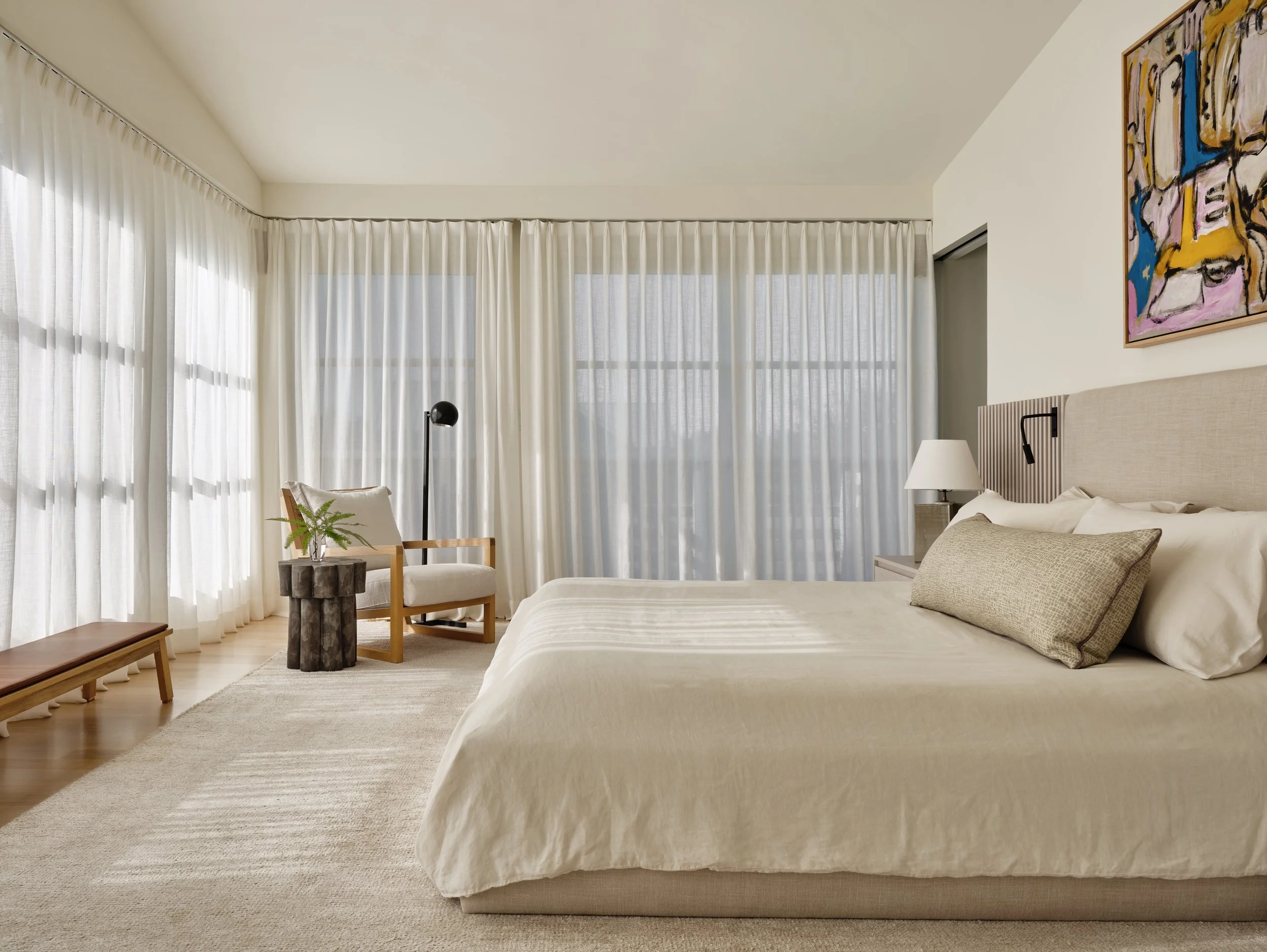
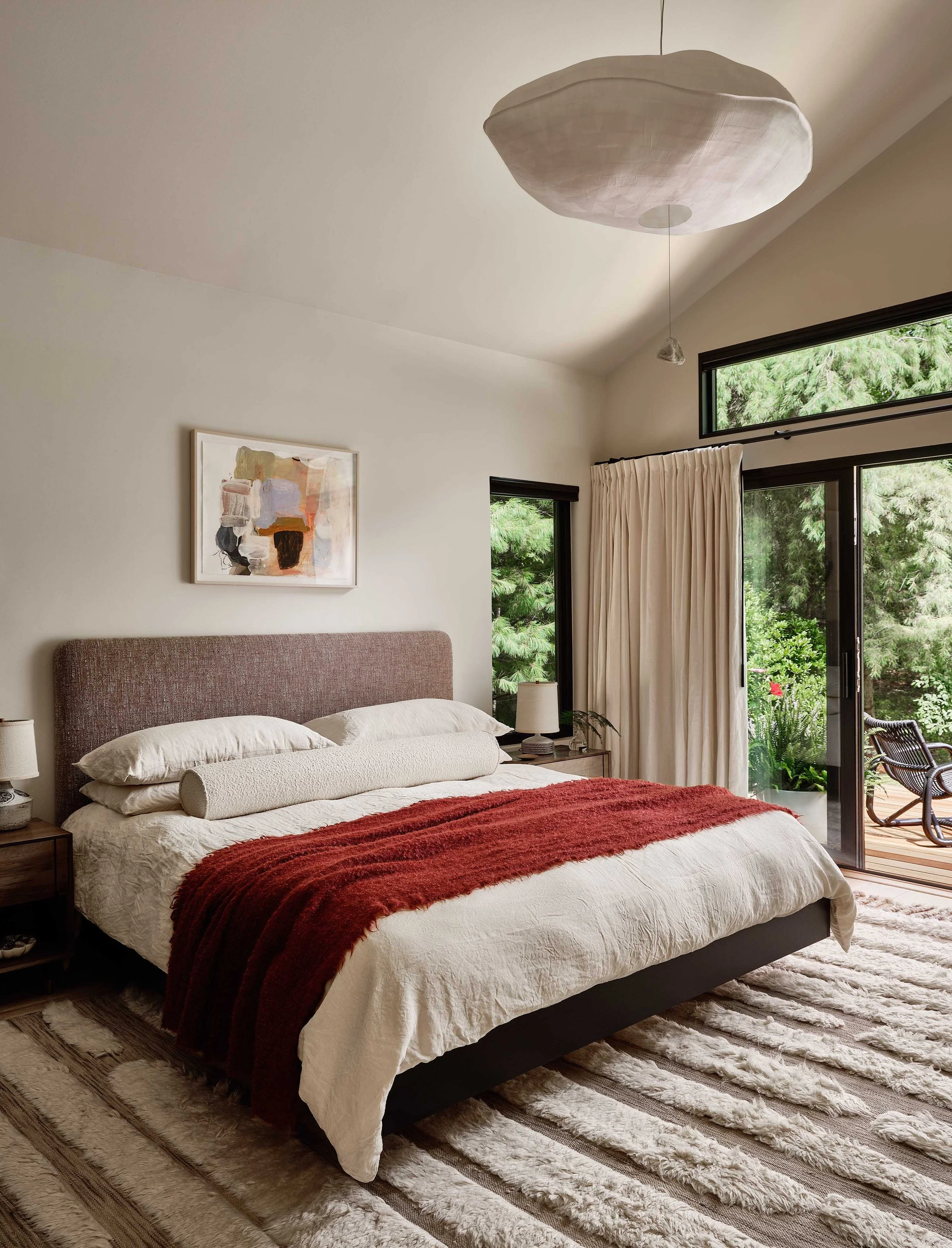
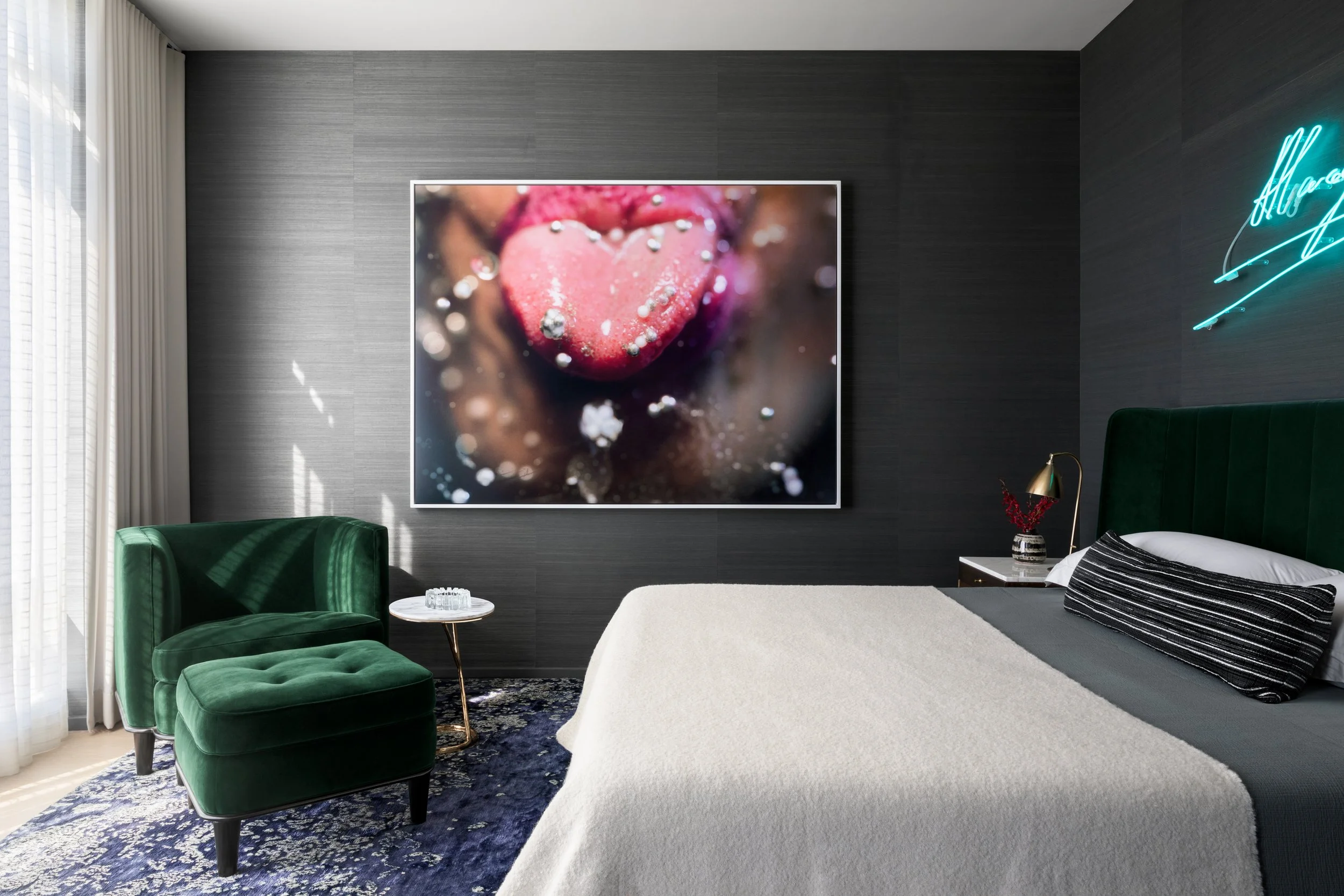
Queen-size beds: An 8' x 10' rug typically works well with a queen-size bed. This size allows the rug to extend beyond the bed and align nicely with two standard-sized nightstands.
King-size beds: For a king-size bed, a 9' x 12' rug is often the best choice. This size provides ample coverage on all sides and ensures that the rug extends far enough to cover the area under the nightstands.
Alternative layouts: If your bedroom layout is unconventional, you may need to adjust the rug size. Always ensure the rug is centered under the bed and extends far enough to step onto when getting out of bed.
Living Room Rug Sizing Tips
The living room is one of the most common places to incorporate a large area rug. Here’s how to get it right:

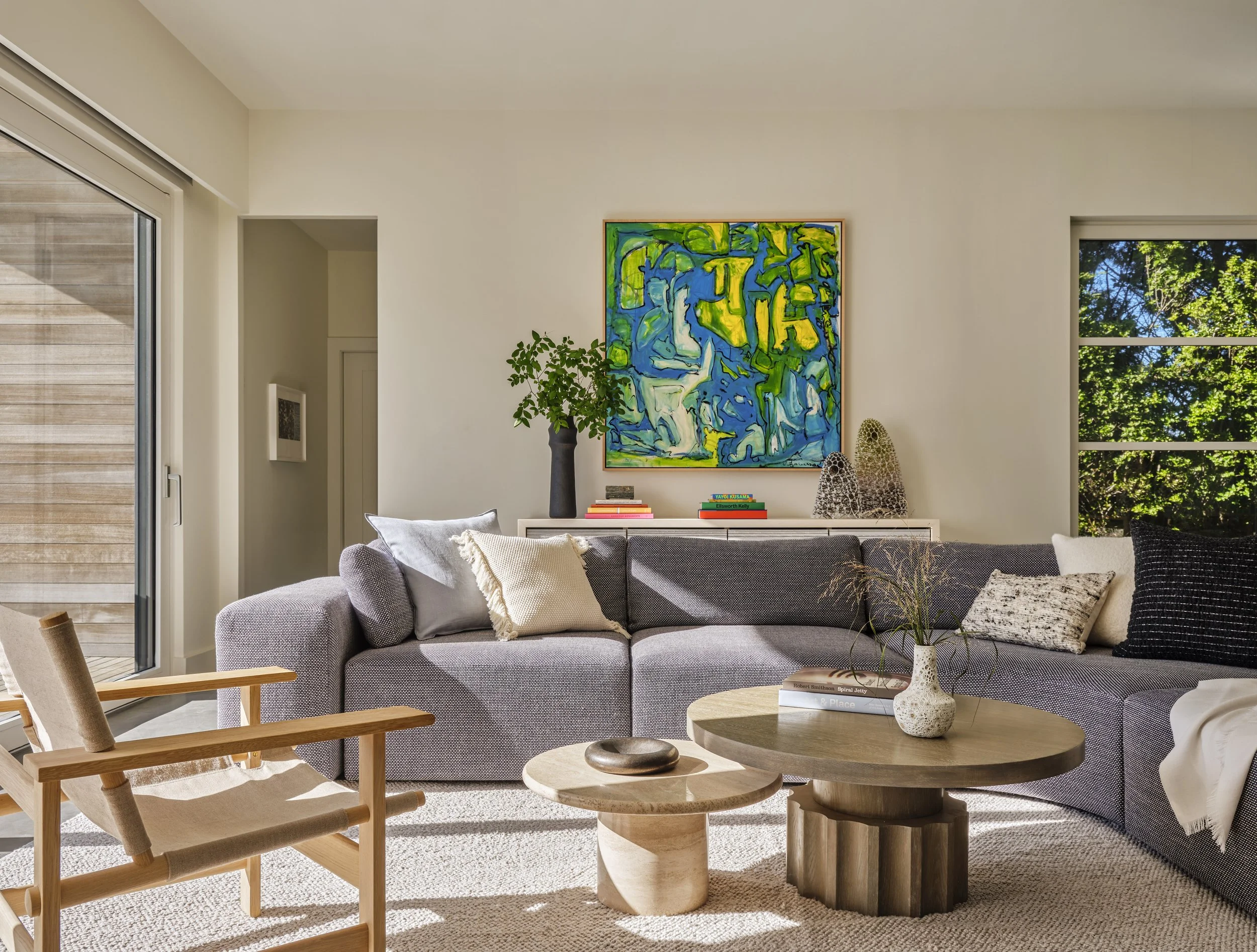
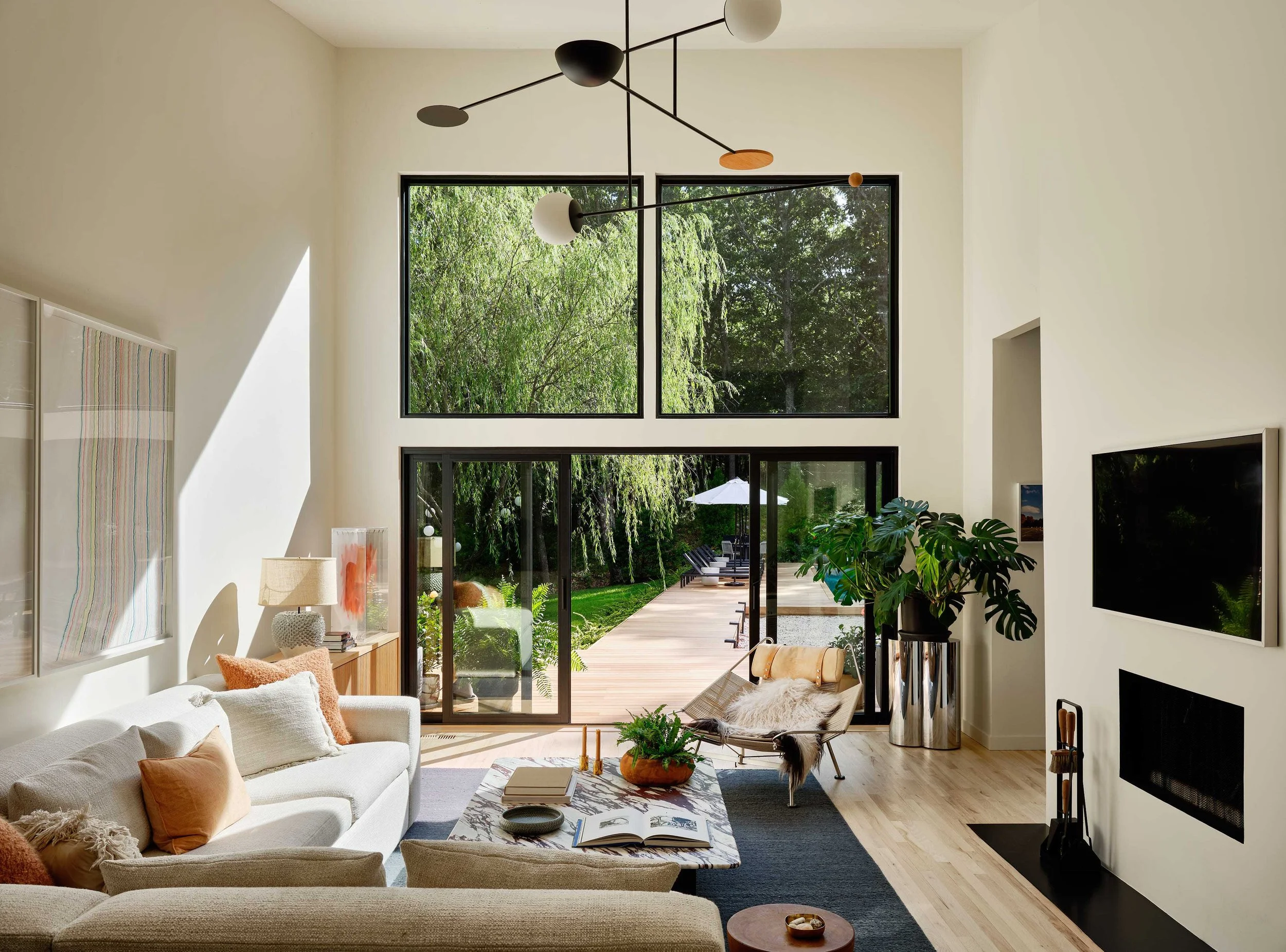
All furniture legs on the rug: Again, whenever possible, choose a rug size that allows all your furniture legs — including sofas, chairs, and coffee tables — to sit entirely on the rug. This creates a unified and polished look.
At least front legs on the rug: If your room dimensions or budget don’t allow for a larger rug, aim to at least have the front legs of your furniture pieces on the rug. This still helps anchor the space and maintain visual balance.
Proportions matter: Make sure there is some visible floor space around the edges of the rug. Typically, leaving about 18 inches of space between the rug and the walls works well in most living rooms.
Dining Room Rug Sizing Tips
When it comes to dining rooms, the rug should not only fit under the table but also accommodate the chairs when they are pulled out.
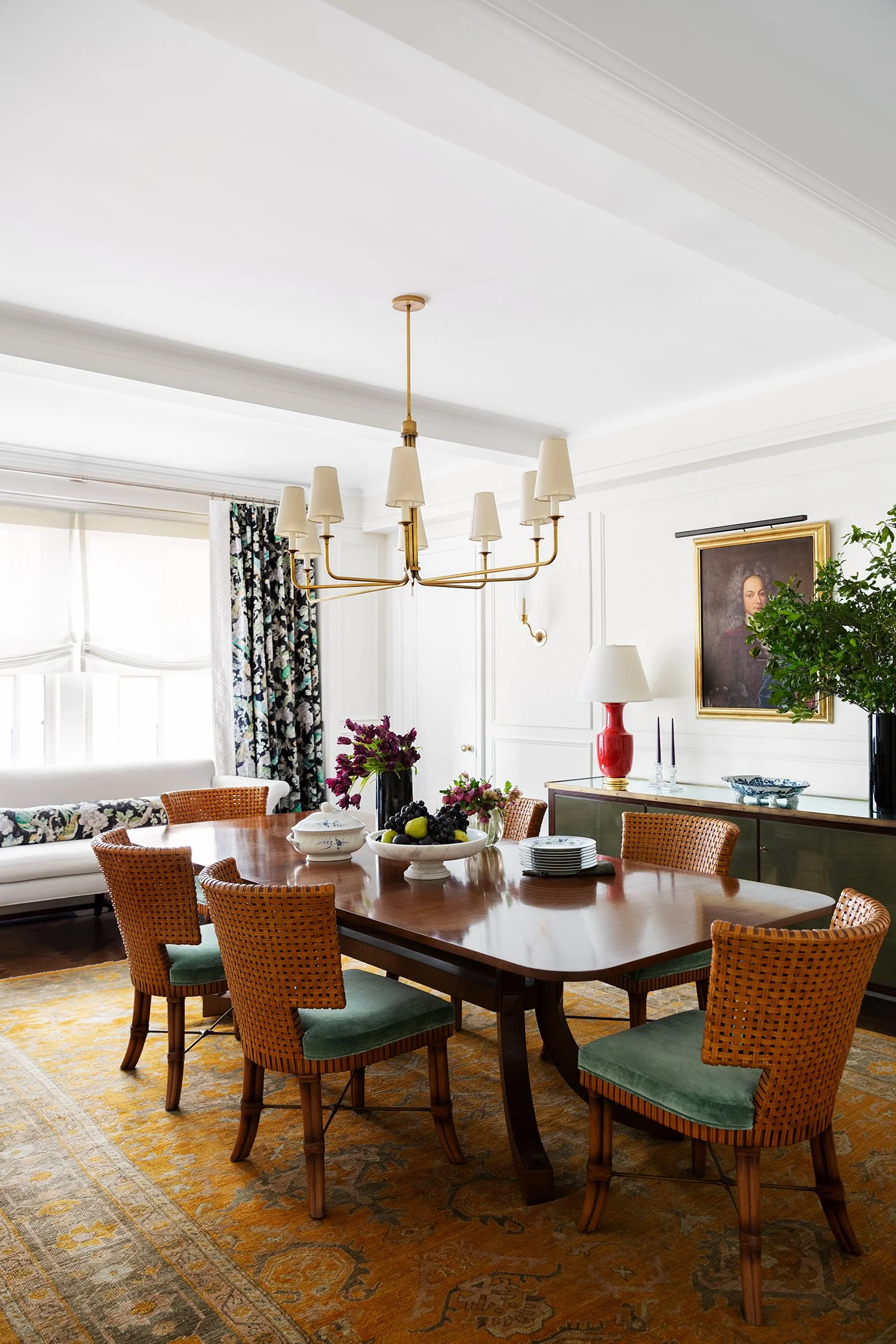
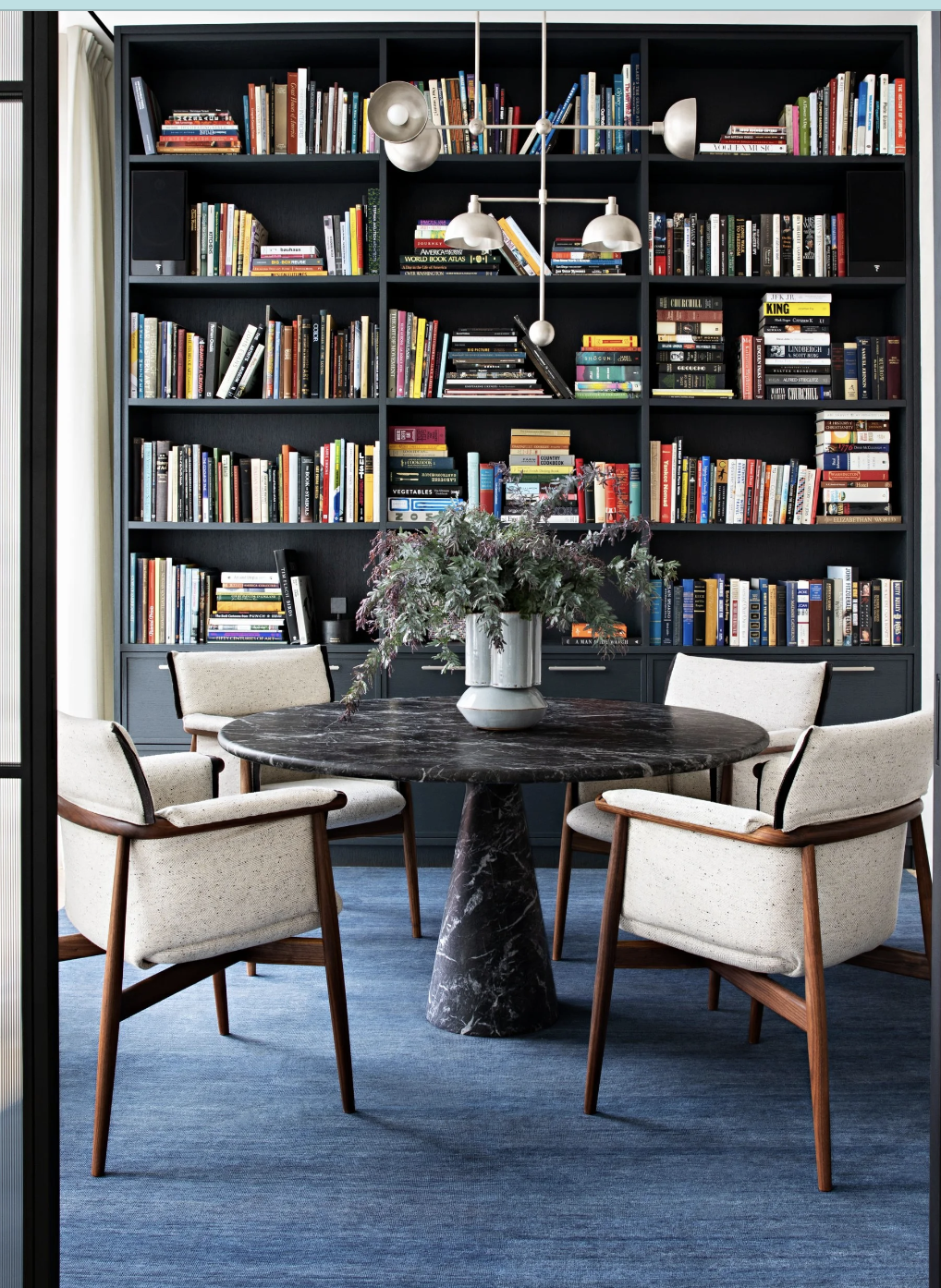
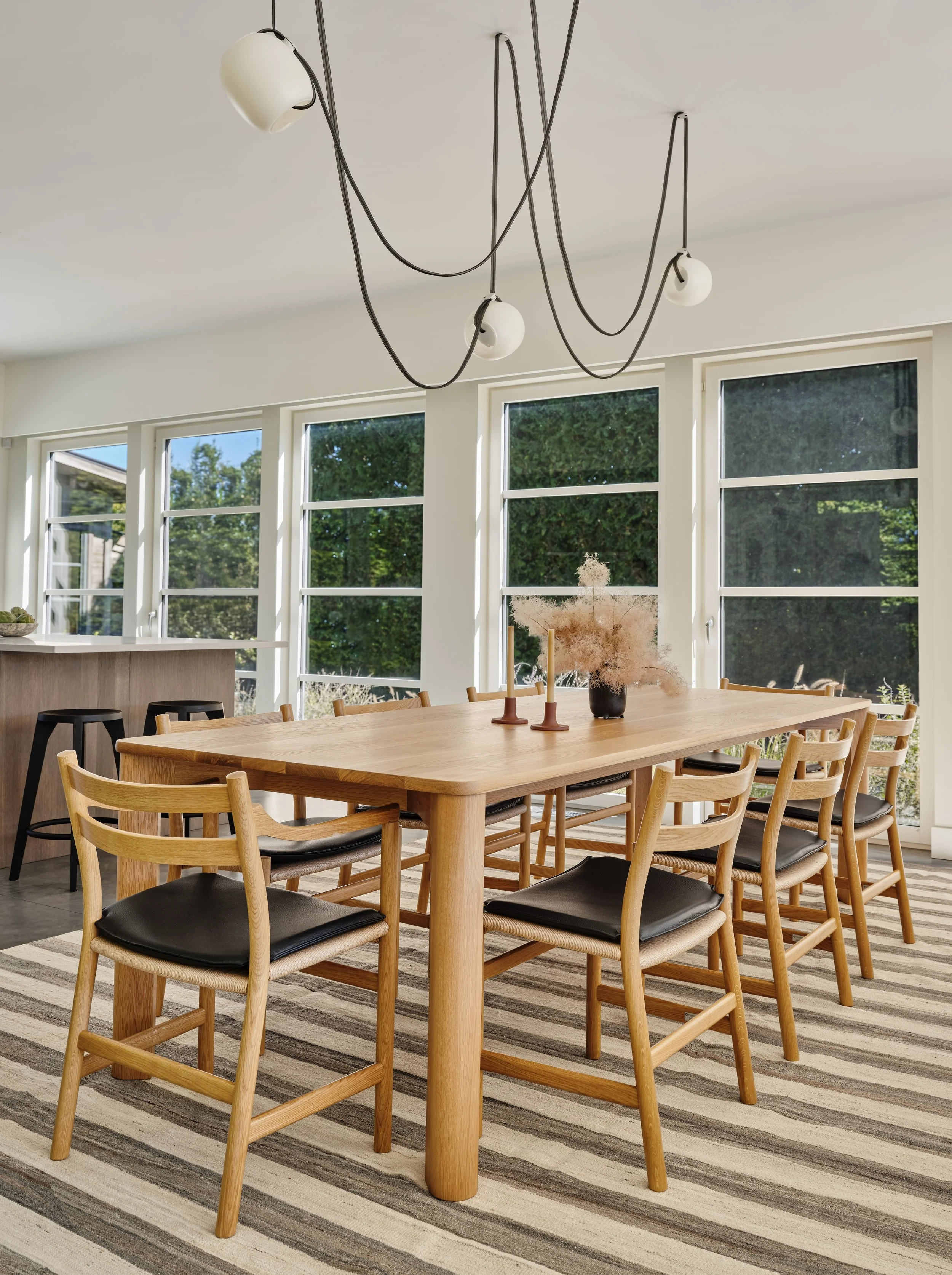
Extend beyond the table: Choose a rug that extends at least 24 inches beyond the edges of the table on all sides. This ensures that chairs remain on the rug, even when pulled out.
Shape matters: If you have a round dining table, consider using a round rug for a more harmonious look.
Common Rug Sizing Mistakes to Avoid
Choosing a rug that’s too small: This is the most common mistake and can make your room feel disjointed. Always size up if you’re unsure.
Ignoring door swings: Check that your doors can open smoothly over your rug. If not, you may need to adjust the pile height or have your doors planed.
Overlooking room proportions: Your rug should complement the size of your room, not dominate or disappear within it.
Final Thoughts
Rug sizing is a crucial element of interior design that can make or break the aesthetic of a room. By following these guidelines and considering the specific needs of each space, you can ensure your rugs contribute to a beautiful, balanced, and functional home. Happy decorating!
